


M.S., MCh Senior Consultant Neurosurgeon Ex Professor & Unit Head Neurosurgery dept. SMS Hospital
Dr. Vimal Sardana is a highly reputed Neurosurgeon based at SMS Hospital, Jaipur, with extensive experience in treating complex brain and spine conditions. Known for his precision, expertise, and compassionate approach, Dr. Sardana specializes in brain tumor surgery, spine surgery, head injury management, stroke care, and minimally invasive neurosurgical techniques.With years of dedicated service in one of Rajasthan’s premier government medical institutions, Dr. Sardana has handled numerous critical and life-saving cases. His commitment to staying updated with the latest advancements in neurosurgery ensures patients receive cutting-edge care with minimal complications and faster recovery.
Patients trust Dr. Sardana for accurate diagnosis, transparent communication, and personalized treatment plans. His calm demeanor and focused attention during high-risk procedures have earned him the respect of peers and gratitude of countless families.
Read More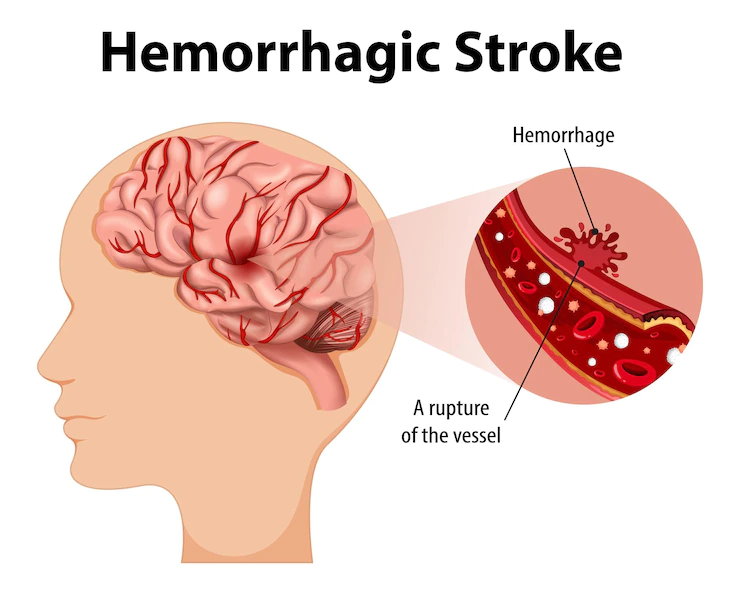
A brain hemorrhage is a type of stroke & caused by an artery in the brain bursting and causing localized bleeding in the surrounding tissues.
Read More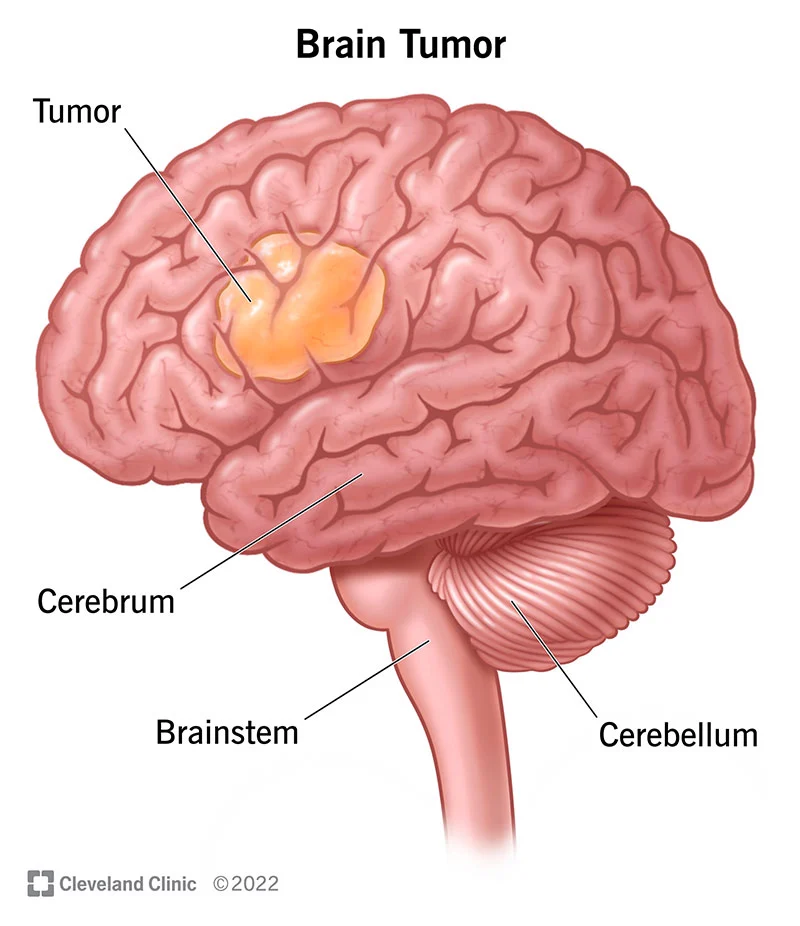
A brain tumor is a collection or mass of abnormal cells in your brain. A brain tumor can be cancerous (malignant) or noncancerous (benign).
Read More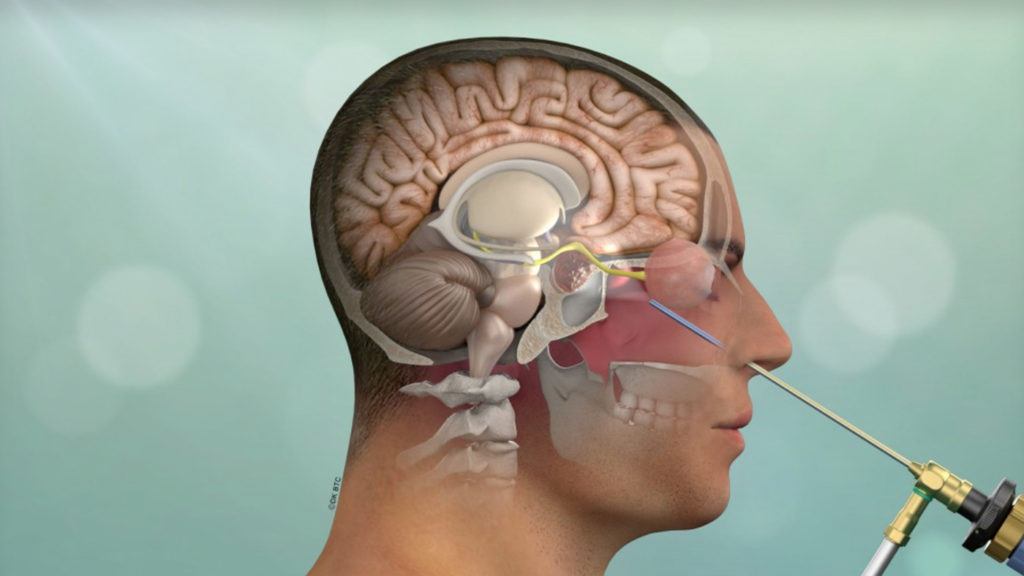
It is considered a minimally invasive brain surgery that allows neurosurgeons to identify and treat conditions that are deep within the brain.
Read More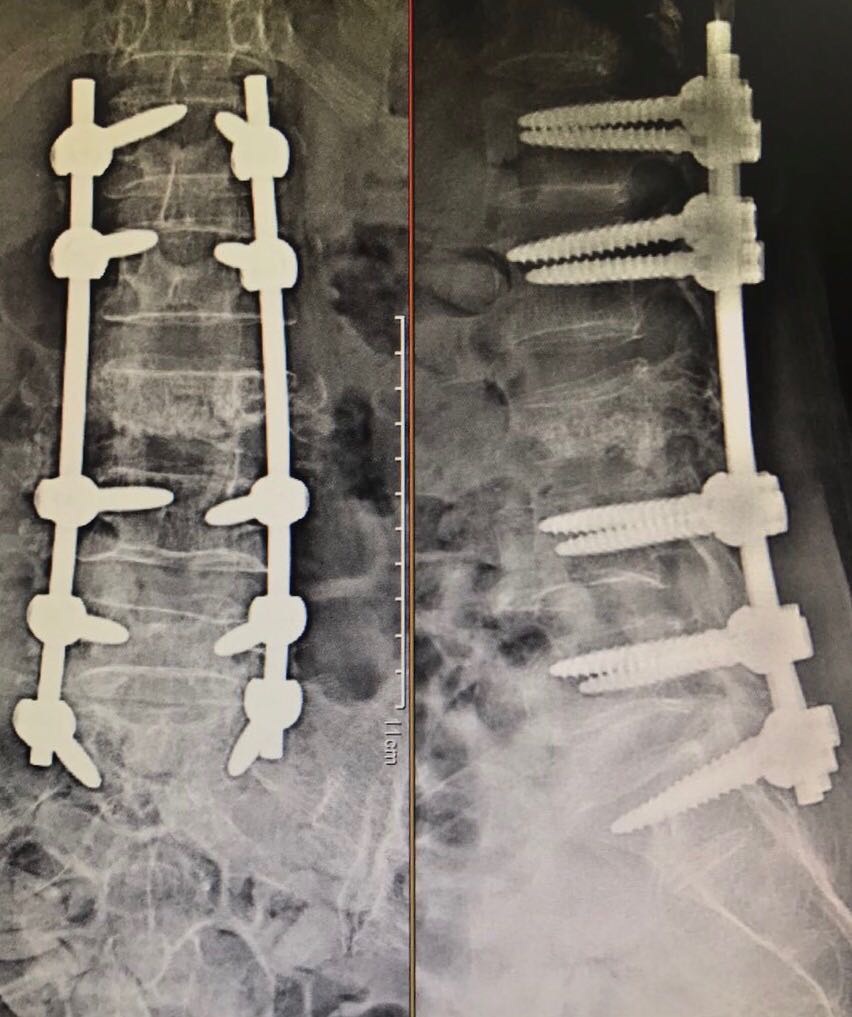
Lumbar fracture fixation is a type of surgery that uses screws or plates to stabilise the vertebrae in the lumbar spine following a fracture.
Read More
Spinal injections are used in two ways. First, they can be performed to diagnose the source of back, leg, neck, or arm pain (diagnostic)...
Read More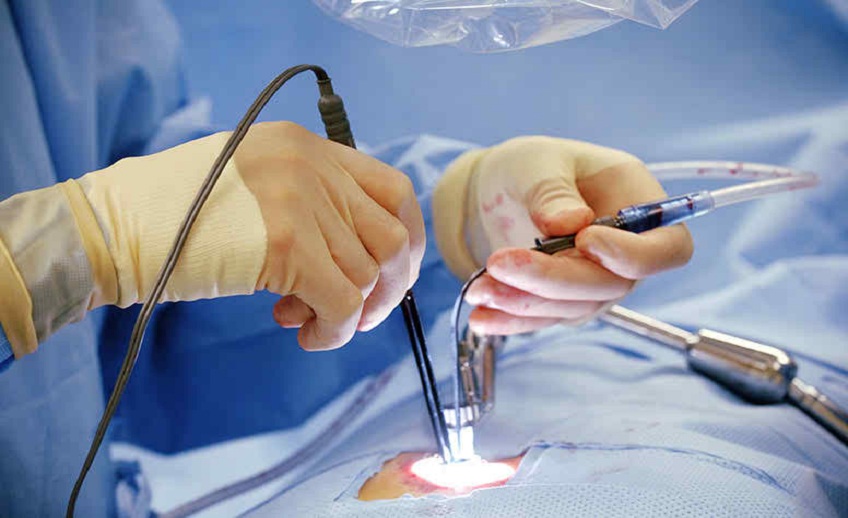
Minimally invasive spine surgery (MISS) is a type of surgery on the bones of your spine (backbone). This type of surgery...
Read MoreYear Experience
successful Surgery
Happy Patients
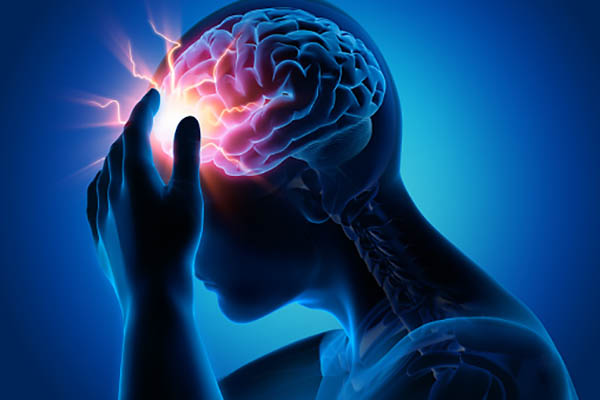
A brain hemorrhage, also known as a cerebral hemorrhage or intracranial hemorrhage, occurs when there is bleeding in the brain. This can happen due to various reasons, such as a ruptured blood vessel or trauma. The bleeding can compress surrounding brain tissue and lead to serious complications.
A brain tumor is an abnormal growth of cells in the brain. Tumors can be either benign (non-cancerous) or malignant (cancerous). They can originate in the brain (primary tumors) or spread to the brain from other parts of the body (secondary or metastatic tumors).
If someone has sustained a head injury, it's essential to seek medical attention immediately. Call emergency services and do not attempt to move the person unless there is an immediate threat to their safety, such as a fire or ongoing danger.
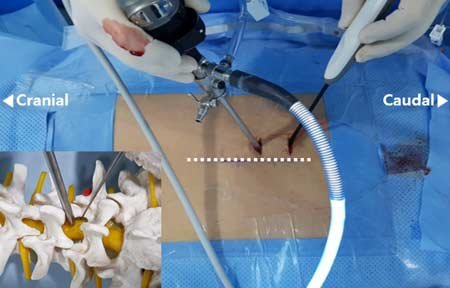
Endoscopic spine surgery is a minimally invasive surgical procedure that uses a small, tubular instrument called an endoscope to visualize and treat various spinal conditions. The endoscope is inserted through a small incision, allowing surgeons to access and address issues in the spine with less tissue disruption than traditional open surgery.
Spinal injections involve the injection of medication into the spine or its surrounding structures to alleviate pain, reduce inflammation, and provide diagnostic information. These injections are commonly used as part of a comprehensive approach to manage various spinal conditions.
Minimally Invasive Spine Surgery (MISS) is a surgical approach that utilizes advanced techniques and specialized instruments to treat spinal conditions with smaller incisions compared to traditional open surgery. The goal is to minimize tissue damage, reduce blood loss, and expedite recovery.
copyright © 2026, All rights reserved | Dr. Vimal Sardana